You play d4, they play d5: a plan for beginners
A free lesson from My Chess Family for children learning chess. Read it together, try each question on a real board, or print it out.
Download the printable sheet (PDF) Play this lesson on the board
You play d4, they play d5
You played d4, and Black answered with d5. The two pawns face each other. Neither can move forward now.
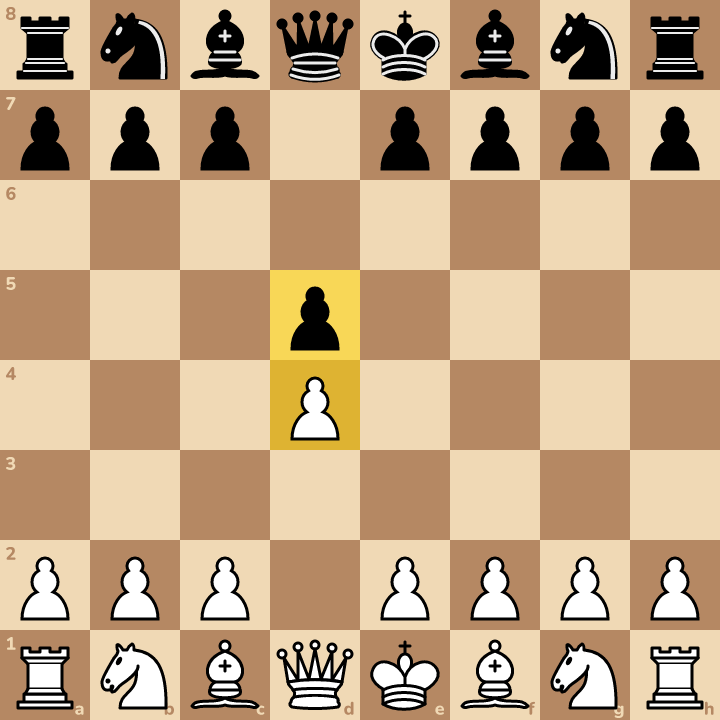
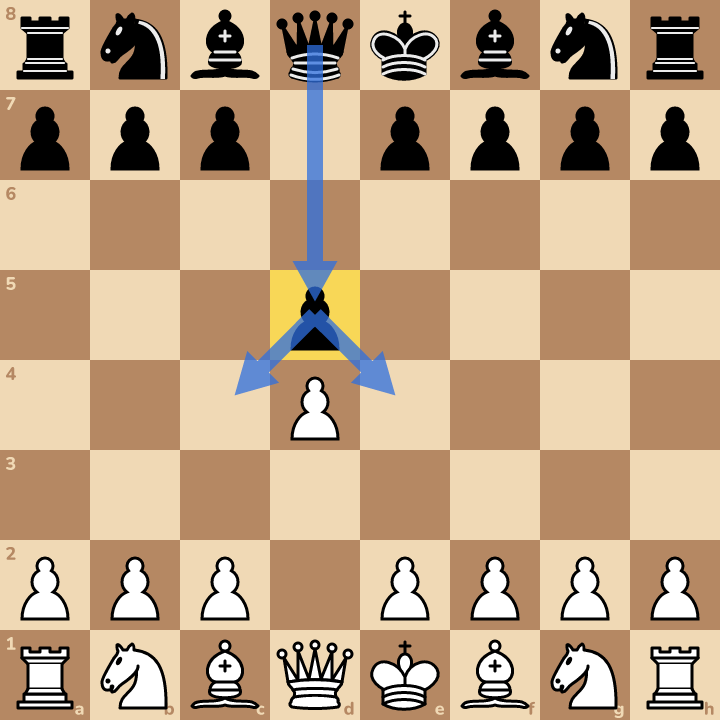
Black's pawn guards c4 and e4. And Black's queen guards it. So you can't attack it with your e-pawn easily.
Here's a good plan for this position. Attack Black's pawn from the side, with a pawn on c4.
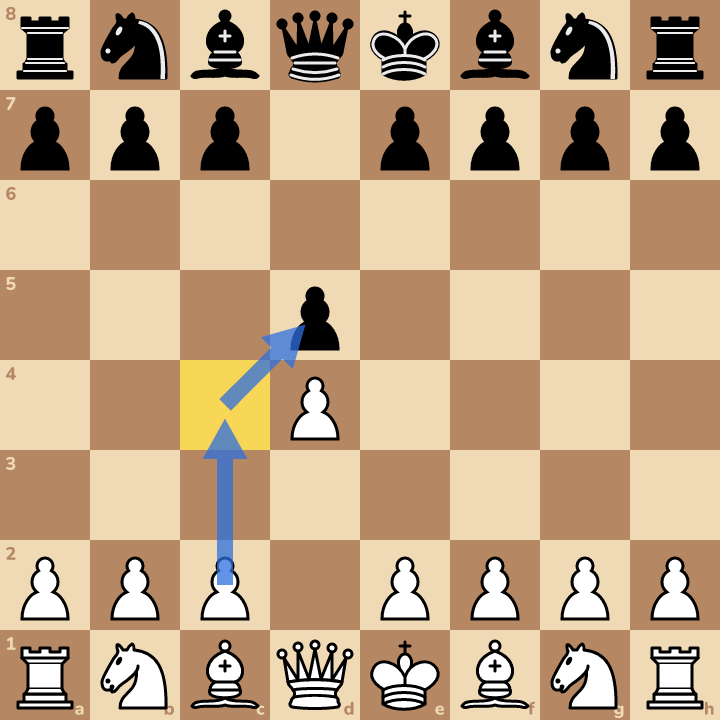
Try it 1. Push your c-pawn two squares.
Show the answer
c4
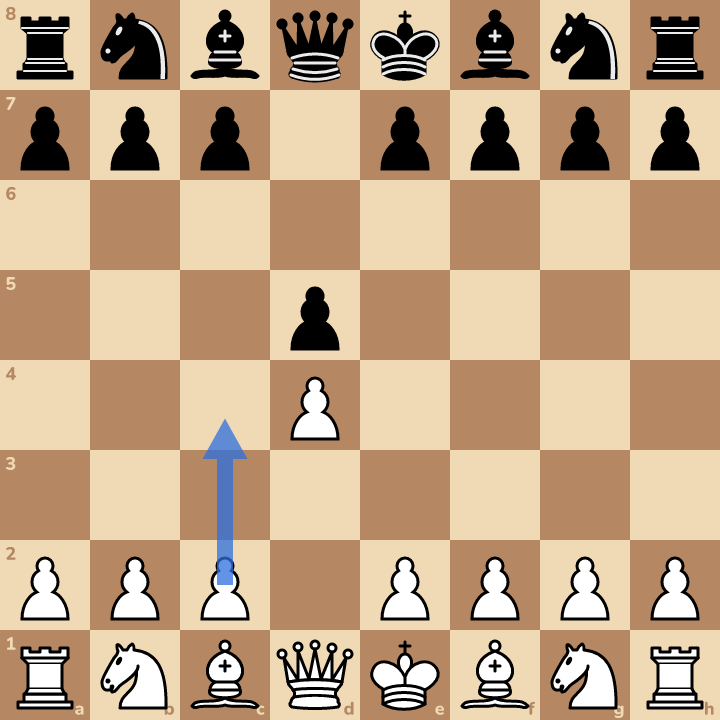
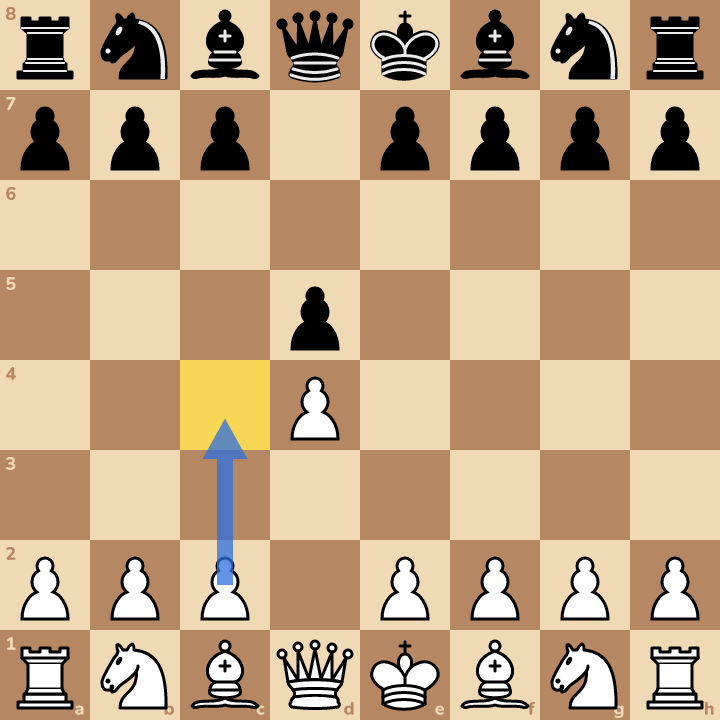
Your c4 pawn attacks d5. If Black took it, Black's pawn would leave the centre. Then you could push e4, and your bishop could win the pawn back.
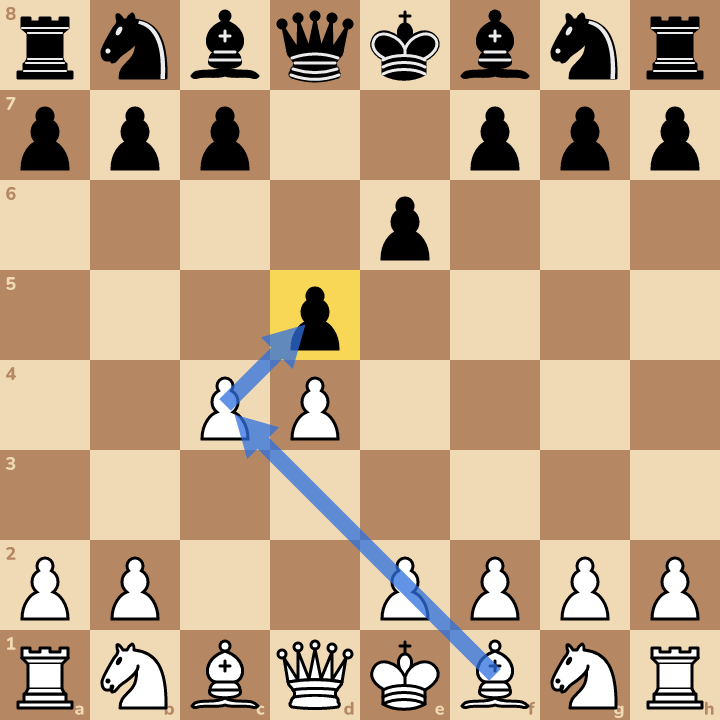
Black didn't take. Black guarded d5 with a pawn on e6 instead. A good move. Now bring out a knight to attack d5 again.
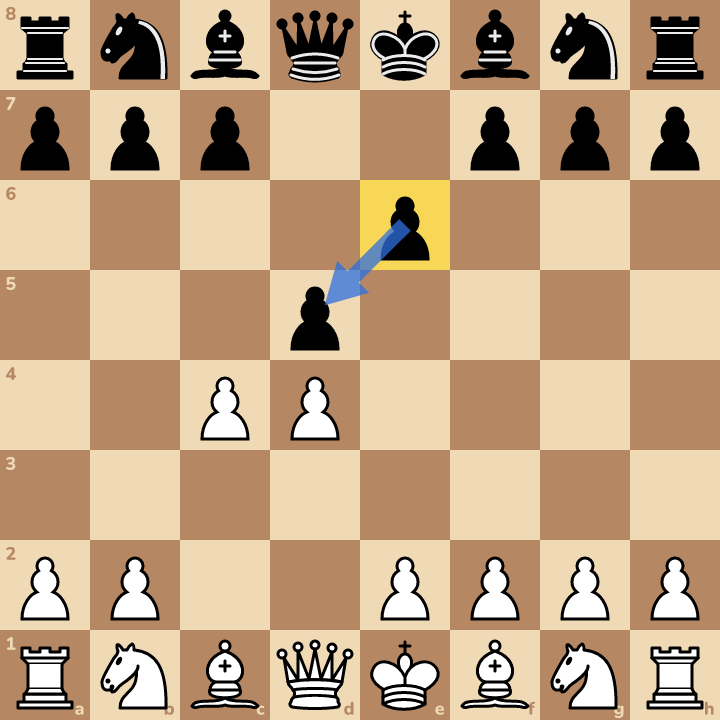
Try it 2. Bring your knight to c3. It attacks d5 too.
Show the answer
Nc3
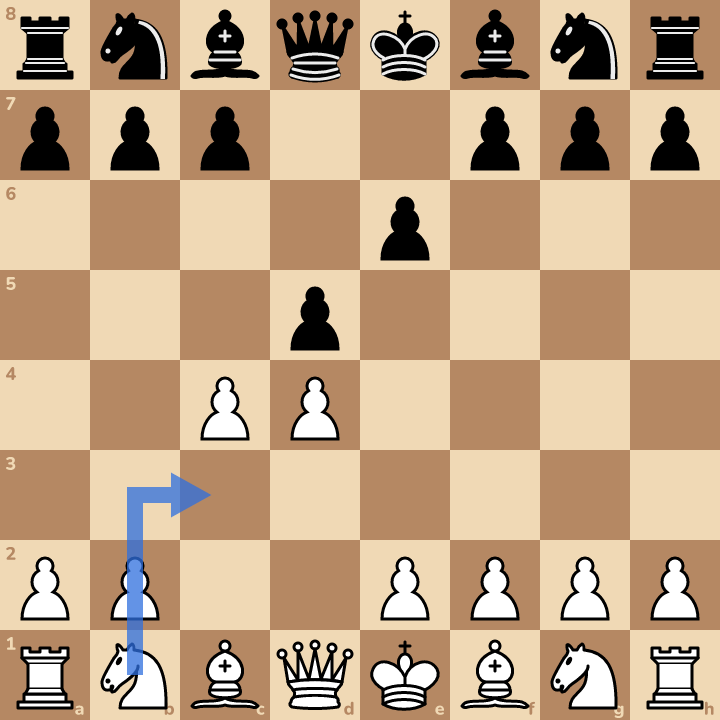
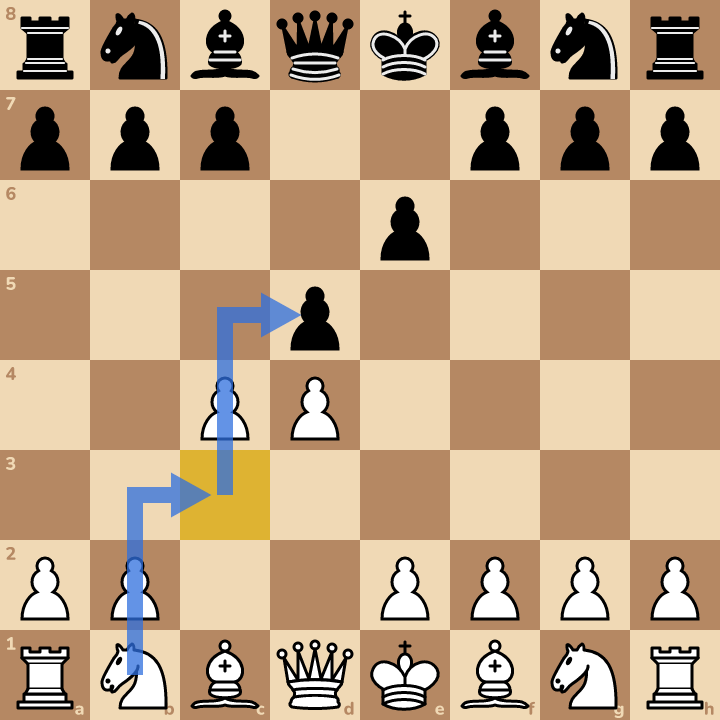
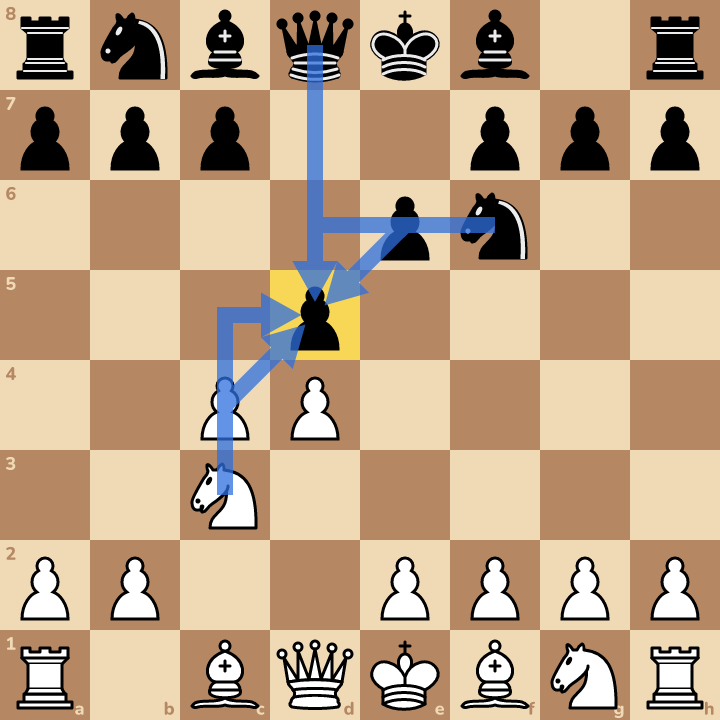
Black's knight comes out and guards d5 too. It's two attackers against three guards. So leave d5 alone, and bring out more pieces.
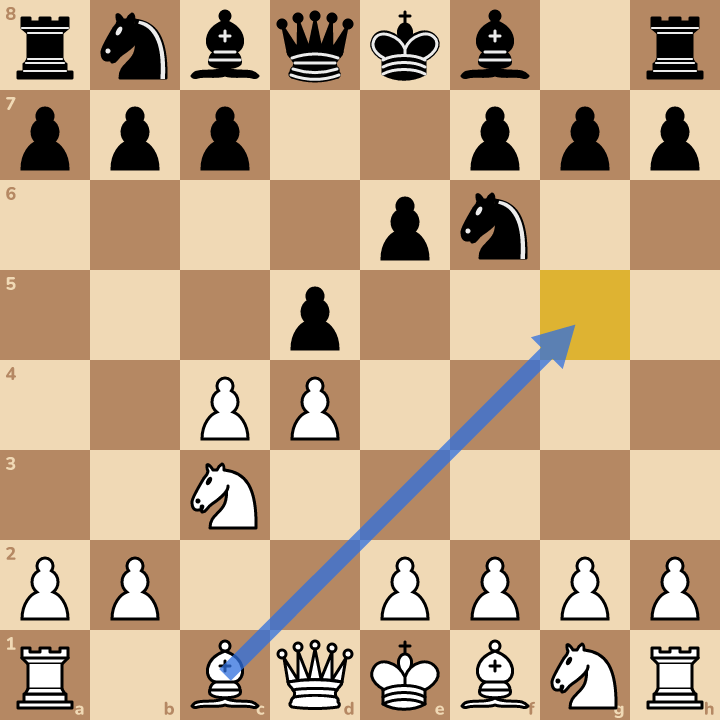
Your bishop on c1 can come out to g5. There it pins Black's knight. If the knight moves, your bishop can take Black's queen.
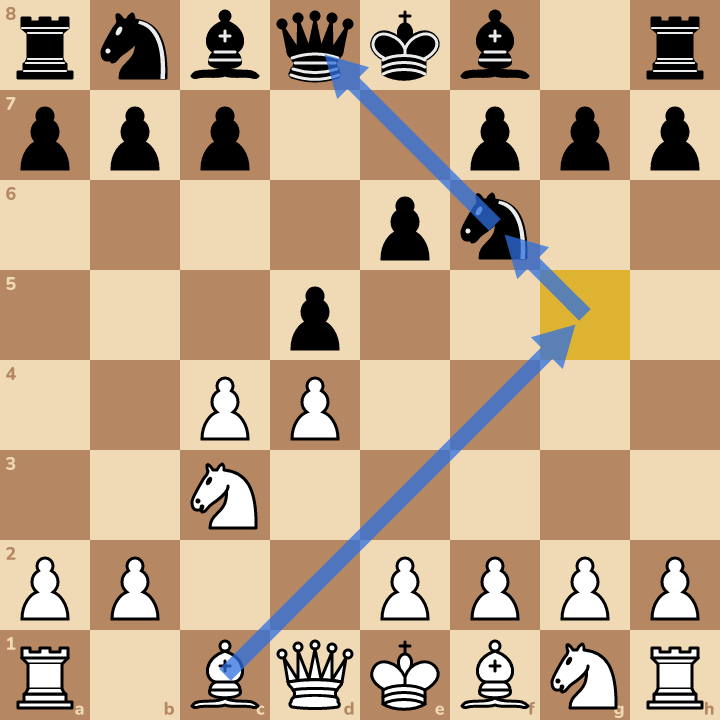
Try it 3. Bring your bishop out to g5.
Show the answer
Bg5
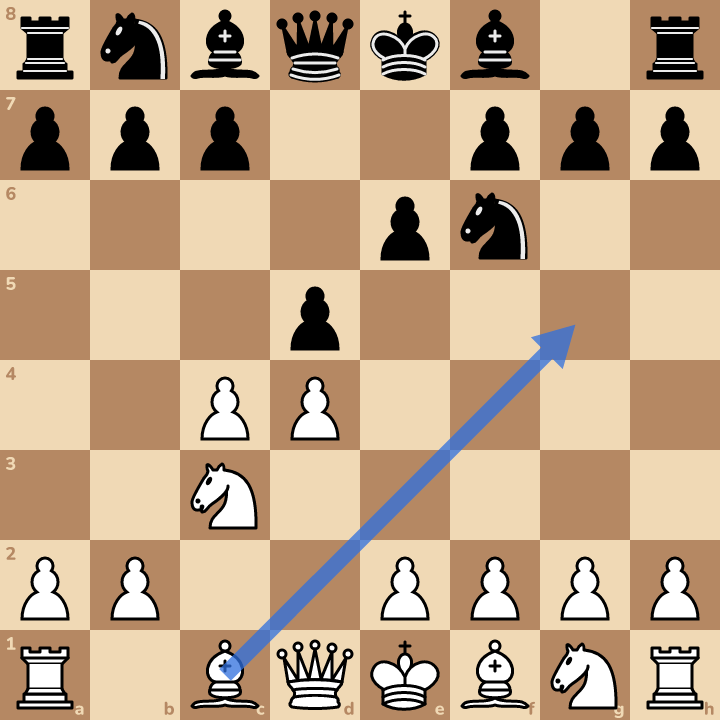
Black put a bishop between them, so the knight is free again. Now push your e-pawn one square. It opens a door for your other bishop.
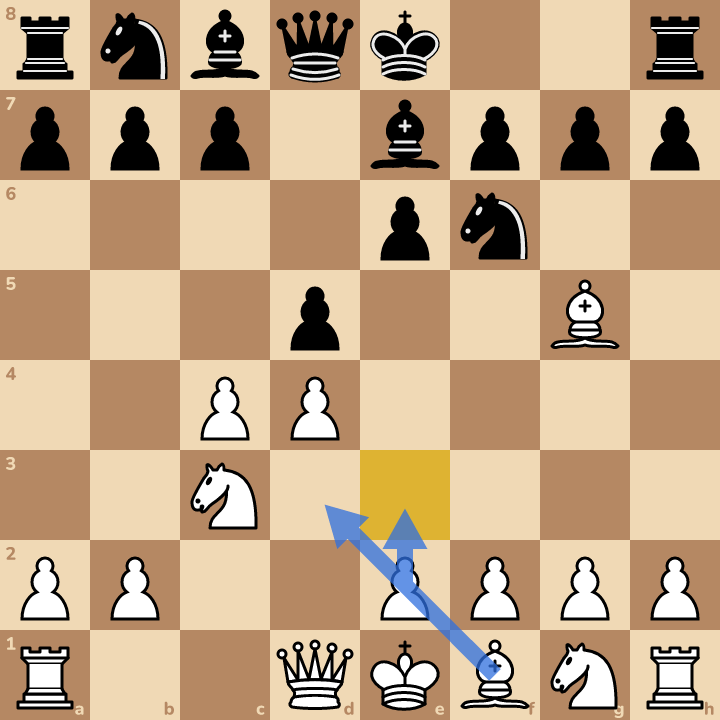
Try it 4. Push your e-pawn one square.
Show the answer
e3
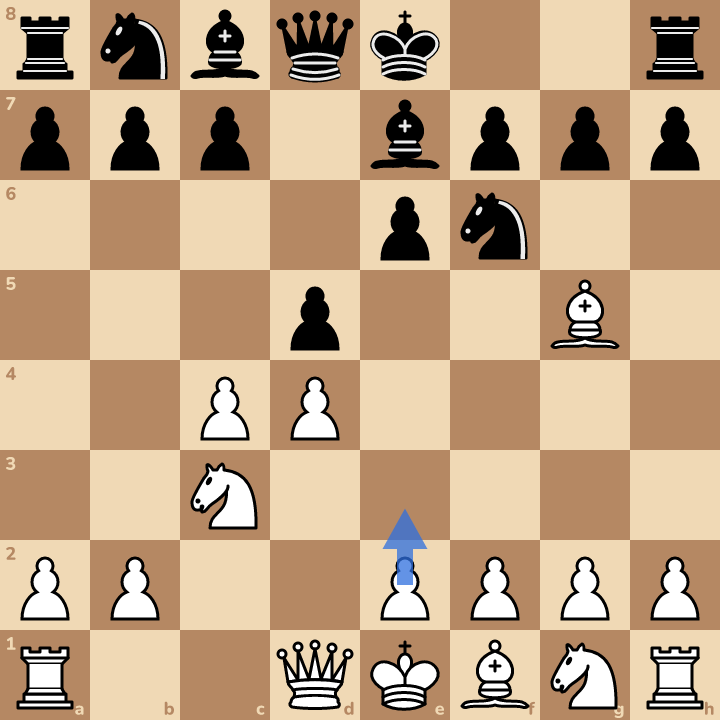
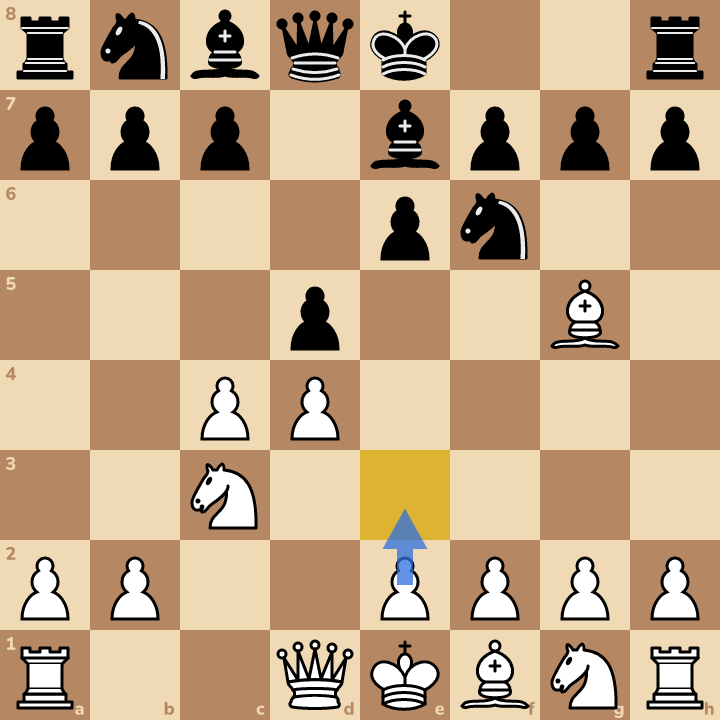
Try it 5. Black castled. Bring out your last knight, to f3. Then you'll be nearly ready to castle too.
Show the answer
Nf3
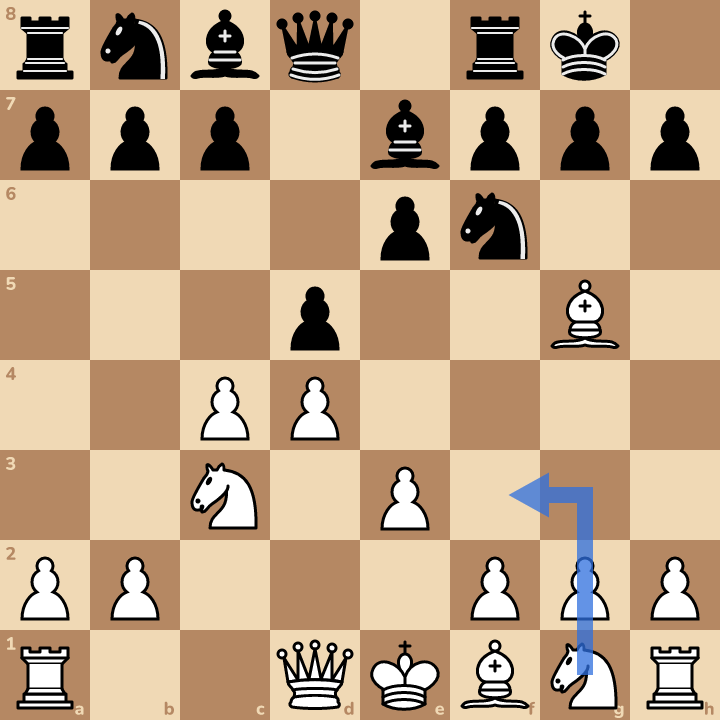
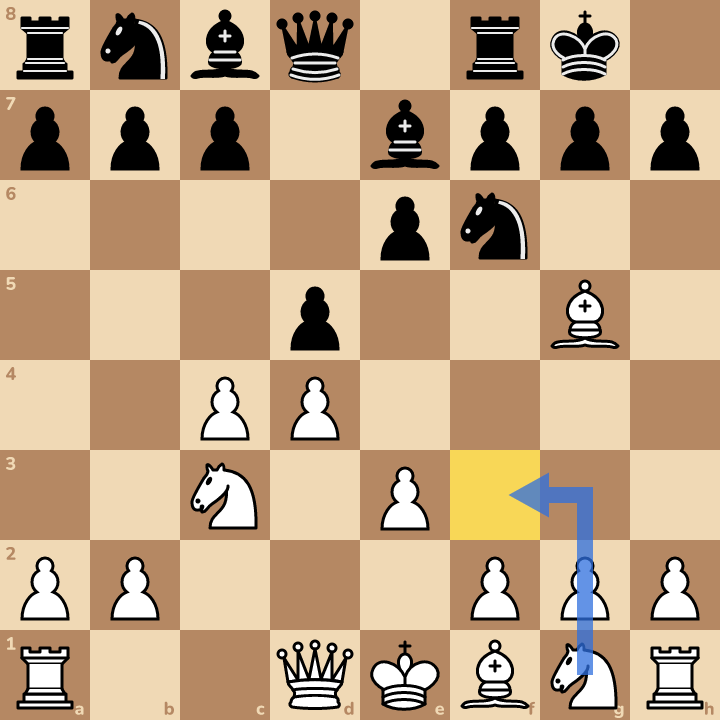
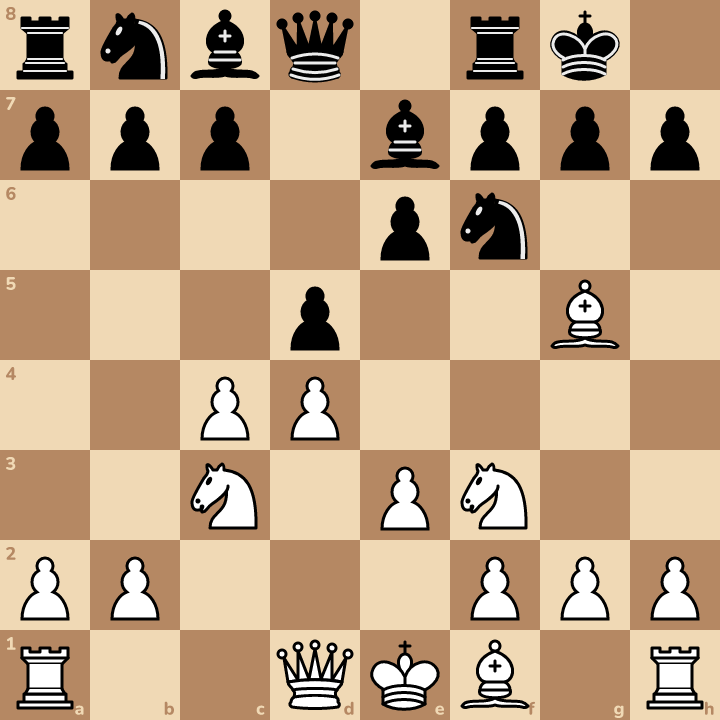
Well done. You pushed c4 to attack Black's centre pawn. You brought out two knights and a bishop, and opened a door for your other bishop.
Next your bishop on f1 comes out, and you castle. Black played e6 and Nf6 here. If Black plays something else, look at what it does first.
Next: You play d4, they play Nf6: a plan for beginners
Learn with the whole family
This lesson comes from My Chess Family, a chess app where children learn and play with their family and friends: no chat, no ads and no strangers. Why it's safe for kids.